
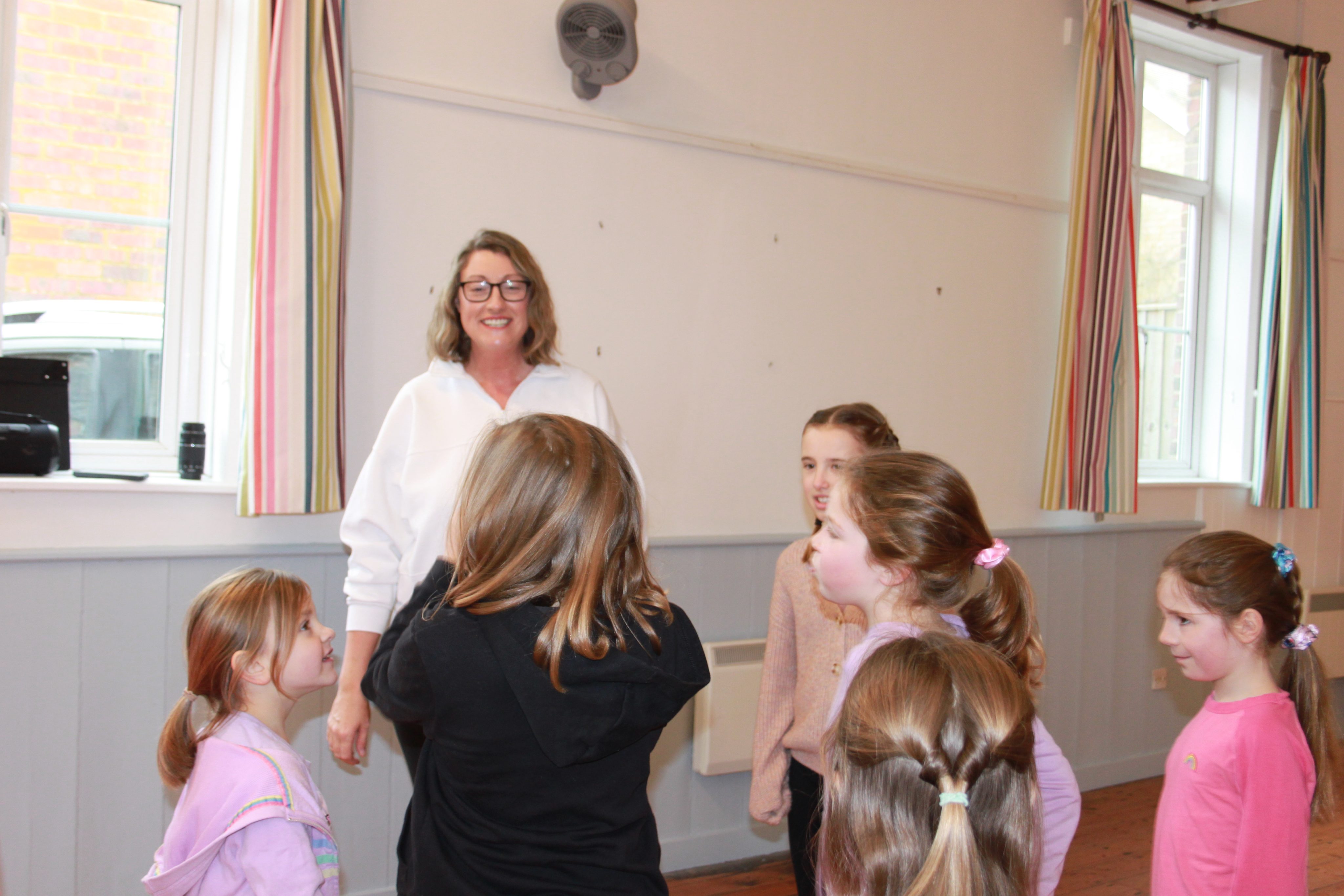
How Drama Supports Communication Skills at School | Children's Drama Classes Buckinghamshire
How Drama Supports Communication Skills at School
Good communication is one of the most important skills a child can develop.
From answering questions in class and making new friends to giving presentations and working in groups, strong communication skills help children feel more confident both at school and in everyday life.
While reading, writing and speaking are all taught in the classroom, drama provides children with a unique opportunity to practise these skills in a fun, engaging and supportive environment.
Whether your child dreams of becoming an actor or has never stepped onto a stage before, drama can have a lasting impact on the way they communicate, listen and express themselves.
Why Are Communication Skills So Important?
Communication is about much more than talking.
Children also need to learn how to:
- Listen carefully
- Express their ideas clearly
- Speak confidently
- Understand body language
- Work with others
- Respond thoughtfully
- Adapt the way they communicate in different situations
These are all skills that support success at school and beyond.
How Drama Helps Children Become Better Communicators
Drama encourages children to use their voices, bodies and imaginations to bring stories and characters to life.
In every lesson, they're constantly communicating—whether they're acting in a scene, taking part in a drama game or working together to solve a creative challenge.
Here are some of the biggest ways drama supports communication skills.
1. Builds Confidence in Speaking
Many children feel nervous about speaking in front of others.
Drama provides regular opportunities to speak in a supportive, encouraging environment where making mistakes is simply part of learning.
As children grow in confidence through drama, many parents notice they become more willing to:
- Answer questions in class
- Read aloud
- Join discussions
- Share ideas
- Speak to new people
Confidence built in the drama studio often transfers naturally into the classroom.
2. Improves Listening Skills
Great communication starts with great listening.
During drama lessons, children must:
- Listen carefully to instructions
- Respond to other performers
- Follow storylines
- React to changing situations
- Work together as a team
These listening skills are essential for learning in every school subject.
3. Expands Vocabulary
Drama introduces children to new words, characters, stories and situations.
Whether they're learning scripts, improvising scenes or exploring different themes, children naturally expand their vocabulary and become more confident using expressive language.
This can support reading, writing and speaking across the school curriculum.
4. Develops Clear Speech
Drama encourages children to speak clearly so that everyone can hear and understand them.
They practise:
- Voice projection
- Pronunciation
- Pace
- Expression
- Clarity
These skills become particularly valuable during school presentations, assemblies and classroom discussions.
5. Encourages Creative Thinking
Drama often begins with a simple question:
"What happens next?"
Children are encouraged to think creatively, solve problems and use their imagination to develop characters and stories.
Creative thinking also supports writing, storytelling and problem-solving in school.
6. Helps Children Understand Body Language
Communication isn't just about words.
Drama teaches children how:
- Facial expressions
- Eye contact
- Gestures
- Posture
- Movement
all contribute to effective communication.
Learning to understand non-verbal communication also helps children develop empathy and stronger social skills.
7. Supports Teamwork
Drama is rarely a solo activity.
Children regularly work in pairs and groups, learning how to:
- Share ideas
- Respect different opinions
- Encourage one another
- Take turns
- Solve problems together
These collaborative skills are invaluable during group work at school.
8. Encourages Emotional Expression
Drama gives children a safe space to explore different emotions and perspectives.
By stepping into the shoes of different characters, children learn to recognise feelings, understand different viewpoints and express themselves in healthy ways.
This emotional awareness often helps children build stronger friendships and navigate social situations more confidently.
9. Helps Shy Children Find Their Voice
One of the most rewarding aspects of drama is watching shy children gradually come out of their shell.
Because they're often speaking as a character rather than themselves, many children find it easier to join in and take risks.
Over time, that confidence often extends beyond drama lessons into school, clubs and everyday conversations.
10. Prepares Children for Future Opportunities
Strong communication skills continue to benefit children long after they leave school.
Whether they go on to university, apprenticeships or the workplace, being able to communicate clearly, work with others and present ideas confidently is a valuable life skill.
Drama helps lay those foundations from an early age.
What About LAMDA Exams?
For children who enjoy drama and would like to develop their communication skills even further, LAMDA (London Academy of Music & Dramatic Art) examinations provide an excellent opportunity.
LAMDA exams focus not only on acting but also on:
- Public speaking
- Voice projection
- Interpretation
- Confidence
- Communication
- Performance
Many schools recognise the positive impact LAMDA has on children's confidence, reading ability and presentation skills.
At All Access Performing Arts, LAMDA tuition is completely optional, giving families the flexibility to choose the pathway that's right for their child.
Drama Is About More Than Acting
Many parents enrol their child in drama because they enjoy performing.
What often surprises them is how much their child develops away from the stage.
Children gain:
- Confidence
- Communication skills
- Creativity
- Listening skills
- Resilience
- Teamwork
- Problem-solving abilities
These are life skills that help children succeed not only in school but throughout their lives.
Drama Classes in Buckinghamshire
At All Access Performing Arts, our drama classes are designed to help children become confident communicators in a fun, welcoming and supportive environment.
Through games, improvisation, storytelling, script work and creative challenges, we encourage every child to express themselves, develop their communication skills and grow in confidence at their own pace.
We also offer optional LAMDA tuition, giving children the opportunity to further develop their acting, speaking and communication skills through internationally recognised qualifications.
Based in Lacey Green, we welcome children from Princes Risborough, High Wycombe, Speen, Naphill, Walters Ash, Saunderton, Chinnor, Longwick, Stokenchurch and the surrounding Buckinghamshire villages.
Whether your child is naturally outgoing or a little more reserved, we'd love to welcome them for a free trial and help them build confidence, belong and shine.